
Αρθροσκοπική εκτομή του ACJ
The procedure is performed to treat Acromioclavicular joint arthrosis of the shoulder. The procedure may also be performed in conjunction with other procedures such as a subacromial decompression.
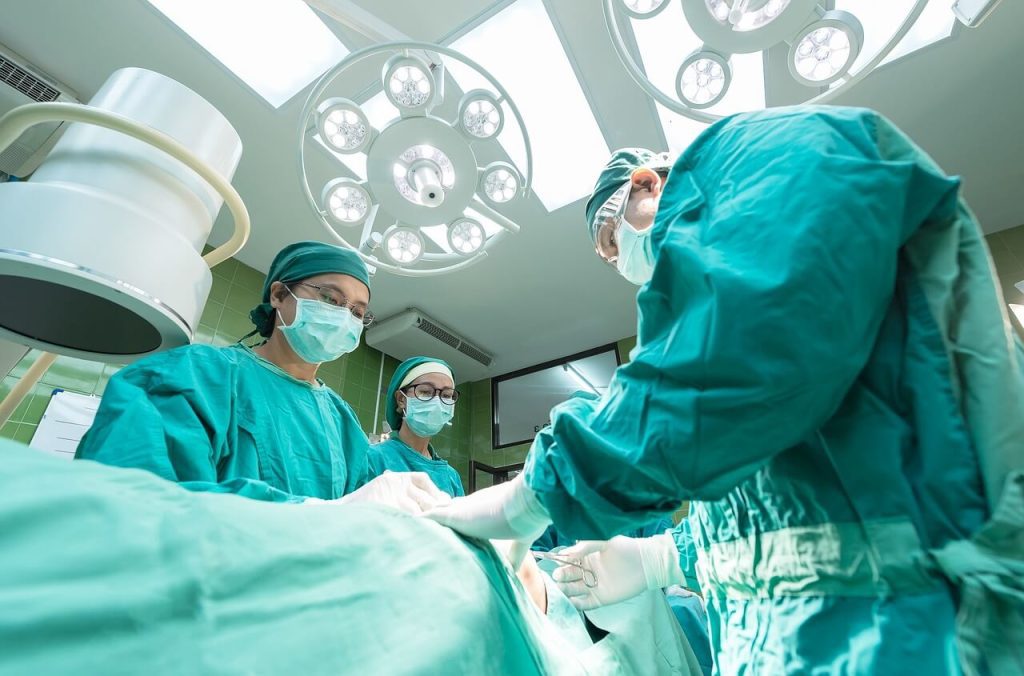
The procedure is performed under a combination of general and regional anaesthesia. An arthroscope is inserted into the joint after distending it with saline. The inside of the joint and subacromial bursa are examined. The undersurface of the acromioclavicular joint is exposed with the aid of a radiofrequency probe and a small amount of bone is removed from the outer end of the clavicle with the aid of an arthroscopic shaver (motorised burr).
The alternatives to surgery are to accept and live with the symptoms and consider occasional injection treatment.
The main benefit of the procedure is to relieve pain. This is will in turn allow an improvement in the function of the joint and ability to use the arm. More than 90% of patients achieve benefit from surgery.
Πόνος – The shoulder may be painful for some days after surgery. This is usually managed by taking appropriate pain relieving medication and activity modification. It may be necessary to avoid use of the arm above shoulder height for 3 – 4 weeks.
Πρήξιμο - Κατά τη διάρκεια της επέμβασης, η άρθρωση διαστέλλεται με φυσιολογικό ορό και αυτό μπορεί να οδηγήσει στο να παραμείνει ο ώμος πρησμένος για μία ή δύο ημέρες μετά την επέμβαση.
Αιμορραγία - Μια μικρή ποσότητα αιμορραγίας από τα σημεία της αρθροσκοπικής πύλης δεν είναι ασυνήθιστη και συνήθως θα υποχωρήσει μετά από μία ή δύο ημέρες.
Ακαμψία - Αυτό μπορεί περιστασιακά να συμβεί μετά από οποιαδήποτε μορφή χειρουργικής επέμβασης στον ώμο. Η πρόληψη είναι το κλειδί και είναι σημαντικό να ακολουθείτε τις οδηγίες που παρέχονται, να κάνετε καθημερινές διατάσεις και ασκήσεις στο σπίτι για να διατηρήσετε το εύρος των κινήσεων. Εάν η δυσκαμψία δεν μπορεί να ξεπεραστεί με φυσιοθεραπεία σε διάστημα μερικών εβδομάδων, τότε περιστασιακά μπορεί να χρειαστεί περαιτέρω θεραπεία.
Μόλυνση - Η λοίμωξη είναι μια πιθανότητα αλλά είναι σπάνια μετά από αρθροσκοπική χειρουργική επέμβαση.
Τραυματισμός νεύρου – Injury to the nerves around the shoulder is possible but rare.
Επίμονα συμπτώματα – In rare instances symptoms may persist despite surgery.
Following the procedure the arthroscopy portal sites (skin incisions) will be closed with sutures and tape and covered with shower-proof dressings. These dressings should be left undisturbed as far as possible for 5-7 days. If the dressings are removed for any reason they should be replaced with similar dressings or waterproof plasters. The shoulder may also be covered with an absorbent pad (or a nappy, which will usually be removed the day after surgery. A sling will be provided to support the arm, but may be removed as tolerated to move the arm and is usually discarded after 2-3 days. Driving may be resumed when comfortable. A physiotherapist will provide instructions about mobilising the shoulder prior to discharge from hospital. Strenuous activities should be avoided for 12 weeks. Outpatient physiotherapy may occasionally be recommended but is not always necessary.
You may resume driving within 4-5 days or when you have regained sufficient movements and control of the arm. Office duties may be resumed within 5-7 days. Manual work should be avoided for at least 3 months. Non-contact sports may be resumed at 3 months.
An appointment will be arranged for you to be seen in the outpatient clinic at 2-4 weeks after the procedure. Follow-up is required for at least 3-6 months after surgery or until a satisfactory recovery is achieved.